Carbon Monoxide Safety

Carbon Monoxide (CO) is a colorless, odorless, and tasteless gas produced when fuels like natural gas, propane, wood, charcoal, or gasoline do not burn completely. Because it cannot be seen or smelled, it is often called the “silent killer.”

When inhaled, carbon monoxide enters the bloodstream and prevents red blood cells from carrying oxygen to vital organs and tissues. Even small amounts can cause symptoms such as headaches, dizziness, nausea, confusion, and fatigue. High levels of exposure can lead to loss of consciousness, brain damage, or even death.


Common Home Hazards
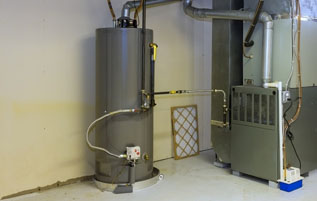
  • Faulty Gas Furnace Venting
    Cracked heat exchangers or disconnected exhaust flues can leak deadly toxic fumes directly into your home’s ductwork.

  • Blocked or Unmaintained Chimneys
    Debris, soot buildup, or bird nests can block chimney flues, forcing toxic carbon monoxide back into your living space.

  • Unsafe Heating Practices in Winter
    Using gas stoves, ovens, or unvented space heaters to heat indoor areas creates rapid, dangerous buildups of carbon monoxide.
How to Prevent Carbon Monoxide Poisoning
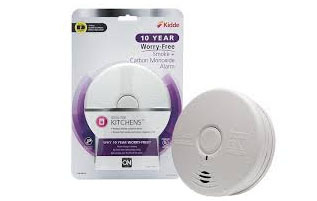
  • Install carbon monoxide detectors
    Place them near bedrooms and on every level of your home. Test them at least once a month.

  • Schedule annual HVAC maintenance
    Our certified technicians can detect and fix issues before they become dangerous.

  • Ensure proper ventilation
    Never block vents or flues for heating appliances or fireplaces.

  • Never use generators or grills indoors
    Use them only outside, far from windows or air intakes.

  • Don’t leave vehicles running in closed garages
    Even with the door open, CO can leak into your home.
Recognizing CO Poisoning Symptoms
Dull headaches and dizziness
Disorientation or confusion
Nausea and shortness of breath
Unexplained fatigue or weakness
If your CO alarm sounds or you feel symptoms, evacuate to fresh air immediately and call 911

Our 6 Step Carbon Monoxide Safety and Inspection Process

Step 1

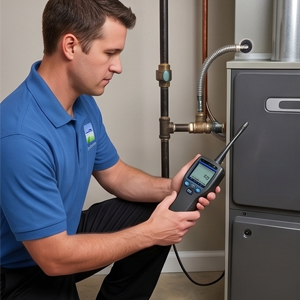
Digital Gas and CO Leak Detection

We perform precise electronic air sampling around your furnace, gas lines, and living spaces to detect active carbon monoxide leaks or trace gas presence.

Step 2

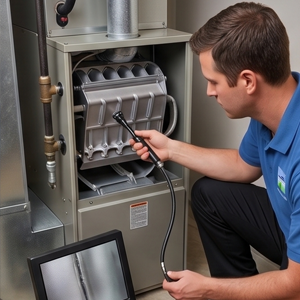
Heat Exchanger Integrity Test

We inspect your gas furnace heat exchanger using specialized camera tools to identify hairline cracks or corrosion before toxic fumes enter your air supply.

Step 3

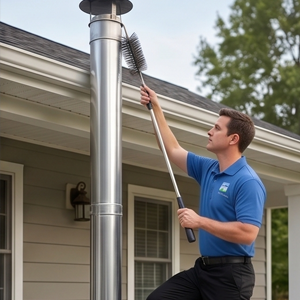
Exhaust Flue and Venting Inspection

Our technicians verify that flue pipes, chimneys, and vent pathways are completely clear of bird nests, soot, or blockages to guarantee proper gas exhaust.

Step 4

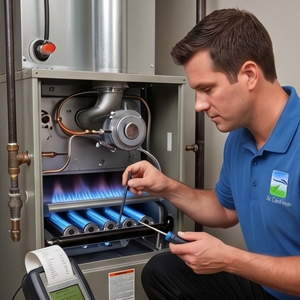
Gas Burner and Combustion Calibration

We adjust and calibrate your heating burners to ensure complete fuel combustion, reducing excess carbon monoxide generation at the source.

Step 5

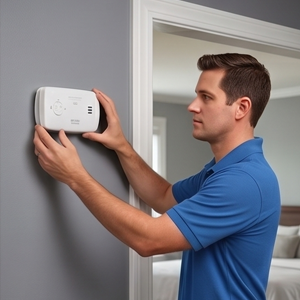
CO Detector Placement and Setup

We test existing alarms or professionally install strategic, hardwired/battery backed carbon monoxide detectors near bedrooms and living areas.

Step 6

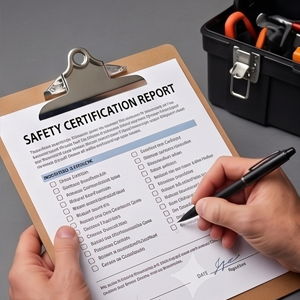
Annual Pre Winter Safety Certification

We deliver a comprehensive safety report certifying your gas furnace, flue, and heating system are 100% ready and safe for the cold season.

Service Frequency and Cost Summary
  • 6 Step CO Safety and Furnace Inspection: Once a year (Late Fall / Pre Winter)
    Estimated Average Cost: $120 – $220
  • Individual CO Detector Installation: Every 5–7 years (Batteries checked yearly)
    Estimated Average Cost:
    $50 – $120

Note: Pricing may vary based on system size, home layout, and specific equipment requirements.

Don’t Leave Your Family’s Safety to Chance

Protect your home from the silent threat of carbon monoxide this season. Schedule your comprehensive HVAC safety inspection today with our certified technicians.
Call us at (704)527-9141 to request more information or Schedule an Appointment here.

Why Should You Choose Air Carolinas?

100% Satisfaction Guarantee

Expert Technician

Exceptional Customer Service

Free Estimates

Licensed, Bonded and Insured

Financing Options

Schedule Online Now


Schedule Online Now